
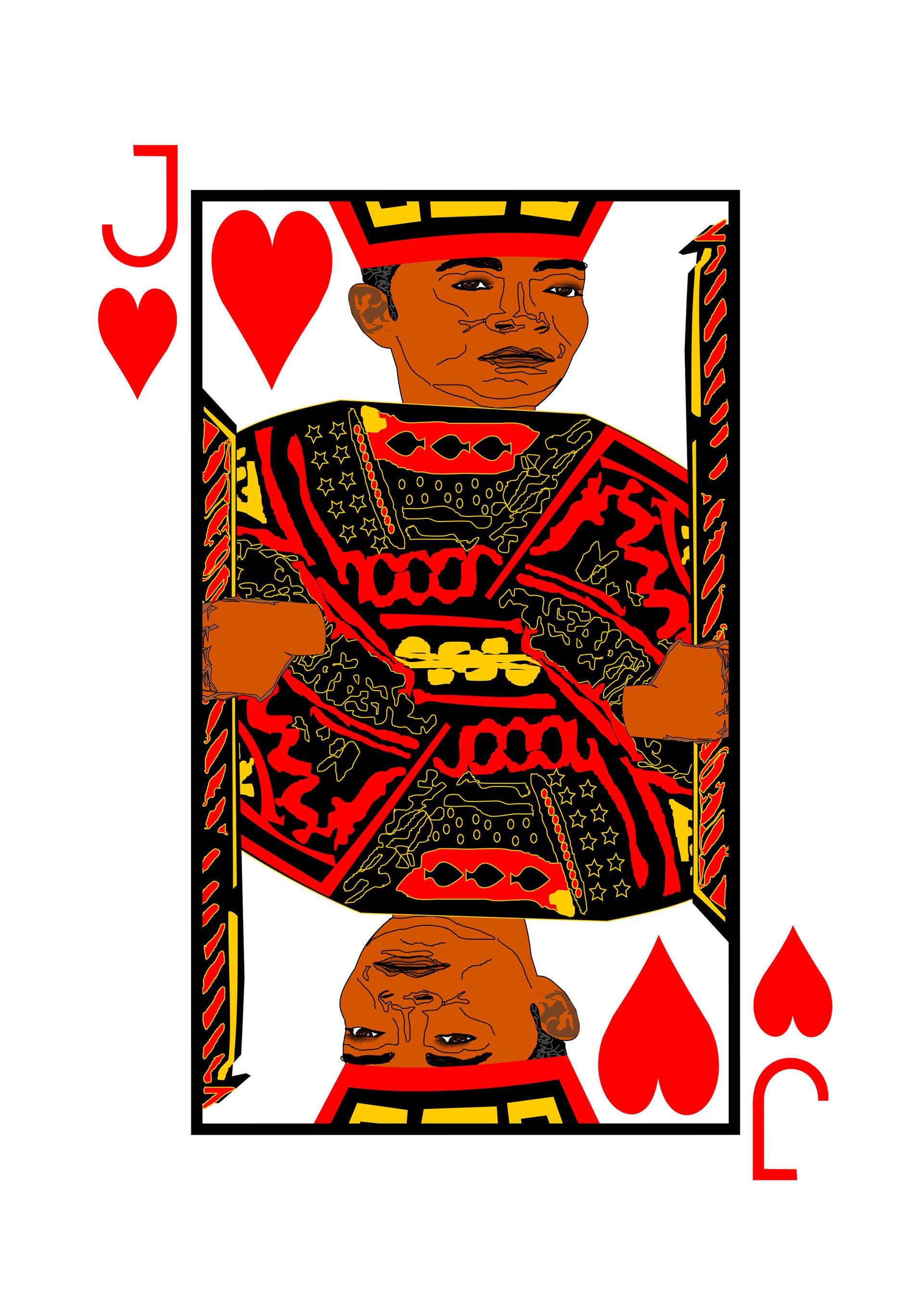
Card #10 · Base

Attorney & Defender of Greenwood
Buck Colbert Franklin
The Lawyer Who Fought for the Right to Rebuild
The Story
Buck Colbert Franklin — B. C. Franklin — was born on May 6, 1879, in Homer, in the Chickasaw Nation of Indian Territory, to David and Millie Franklin. He attended Dawes Academy and Roger Williams University in Nashville, where he met Mollie Parker and the educator John Hope. He followed Hope to Atlanta Baptist College, graduating in 1903 according to the Tulsa Historical Society.
Franklin married Mollie in 1903, and the couple eventually had four children. He taught and farmed in Springer and Ardmore, and from 1904 to 1907 apprenticed with Black attorneys in Ardmore while studying law by correspondence. He was admitted to the Oklahoma Bar in December 1907.
After practicing in Ardmore and in the all-Black town of Rentiesville, Franklin moved to Tulsa in early 1921 and established a law practice on Greenwood Avenue with I. H. Spears and T. O. Chappelle. He had been in the city only a few months when the massacre began.
Franklin survived the attack and was interned for several days at Convention Hall. His eyewitness account of the destruction became an important record of those days; parts of it, including his description of attacks from the air, are his testimony and should be read as such.
When he was released, Franklin set up a law office in a tent amid the ruins and went to work for survivors. After the massacre, the city adopted fire-code restrictions that would have made rebuilding in much of the burned district far more difficult; Franklin and his partners were among the Black attorneys who challenged those restrictions in court, and the effort to block them succeeded. His work helped Greenwood's residents keep their land and rebuild their community.
Franklin practiced law in Tulsa for decades. His son, John Hope Franklin — named for his father's mentor — became one of the most influential historians in the United States. B. C. Franklin's autobiography, My Life and an Era, was published in 1997, edited by John Hope Franklin and John Whittington Franklin. He died in 1960.
One reference work places his marriage in 1915 rather than 1903; this biography follows the Tulsa Historical Society. His exact date and place of death and the precise court history of the post-massacre ordinance challenge will be confirmed against primary records before publication.
Historical Significance
In the Collection
Card #10 · Base
Claim Your Legacy
Are you Buck Colbert Franklin or an authorized representative? Verified submissions are reviewed by our editors before publishing.