
Biography
Early Life
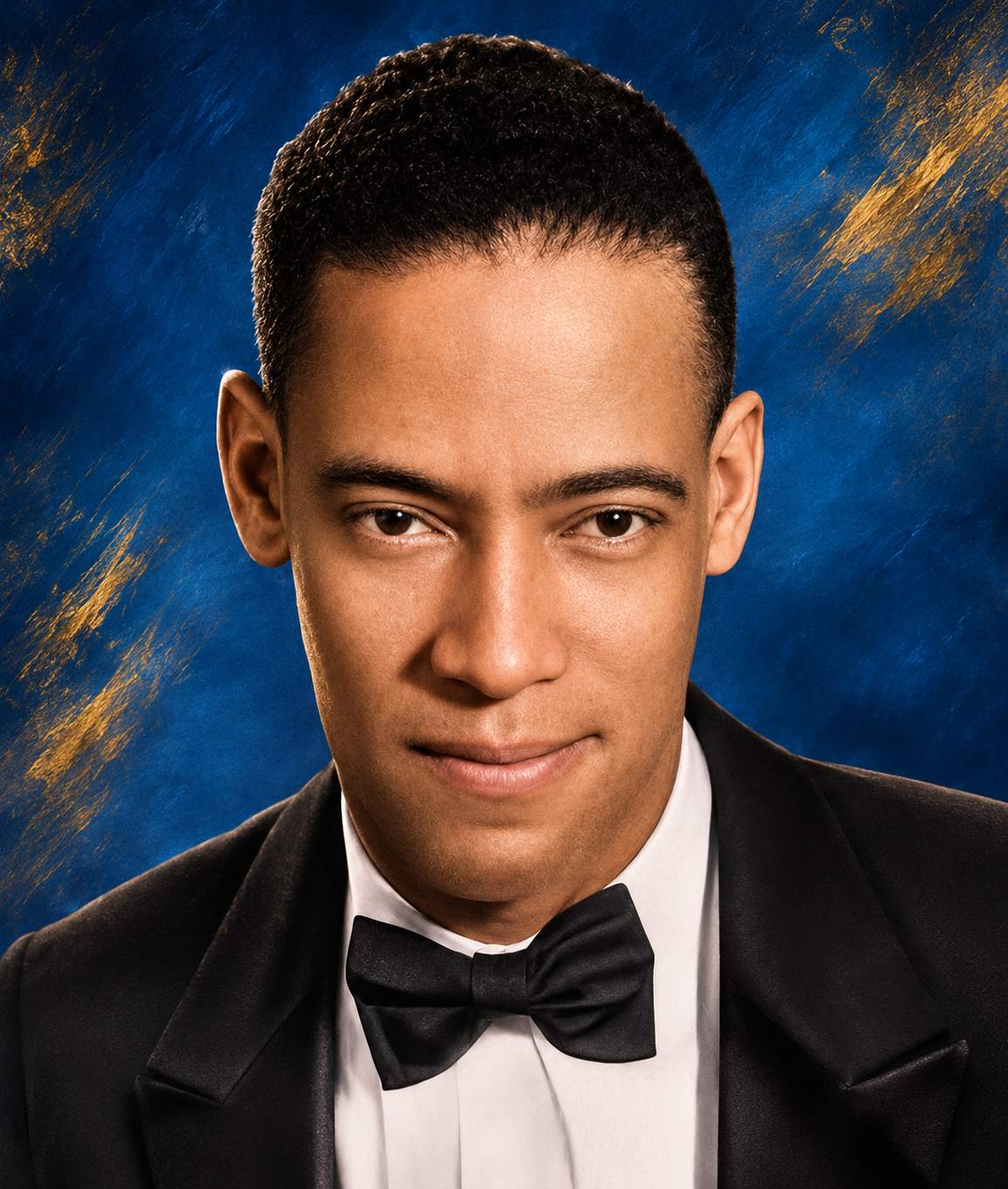
Simon Berry was born in Mississippi on July 6, 1890, according to researcher Carlos Moreno. Before his Tulsa career he taught automobile mechanics at West Tennessee College — training that would shape everything he built. Newspaper and other records place him in Tulsa by 1915.
Contributions to Greenwood
Berry saw that Black Tulsans, shut out of equal access to transportation, needed a way to get around the city. He started a nickel-fare jitney service using a Ford Model T, then grew it into a bus business serving Greenwood. He also owned the Royal Hotel.
After 1921
No reliable account of Berry's personal experience during the 1921 massacre has been found. In the years that followed, he built up his transportation and automotive enterprises and trained mechanics. In 1925 he partnered with James Lee Northington in an air-charter venture using an open-cockpit biplane — a striking expansion of a business that had begun with a single car.
Berry also acquired and developed a recreation park with a swimming pool, dance hall and picnic grounds, and extended his bus routes to reach it. In 1929, according to a City of Tulsa planning account, he transferred 13.4 acres to the city for one dollar, land that became Lacy Park.
Family court records beginning in May 1941 suggest that Simon Berry died around the spring of that year.
What the Record Shows
The founding date of the jitney service varies in retellings, so no date is given here. A popular story about Berry and aerial combat during the massacre is unsupported and is not repeated. His exact date and place of death remain unconfirmed, and whether his buses passed to a private operator or to the city requires further research.
Historical Legacy
Simon Berry's jitneys and buses gave Black Tulsans transportation on their own terms, and his air-charter venture showed how far Greenwood enterprise could reach.
Lacy Park and its community-center public art commemorate the land and the legacy he left to Tulsa.