
Biography
Early Life
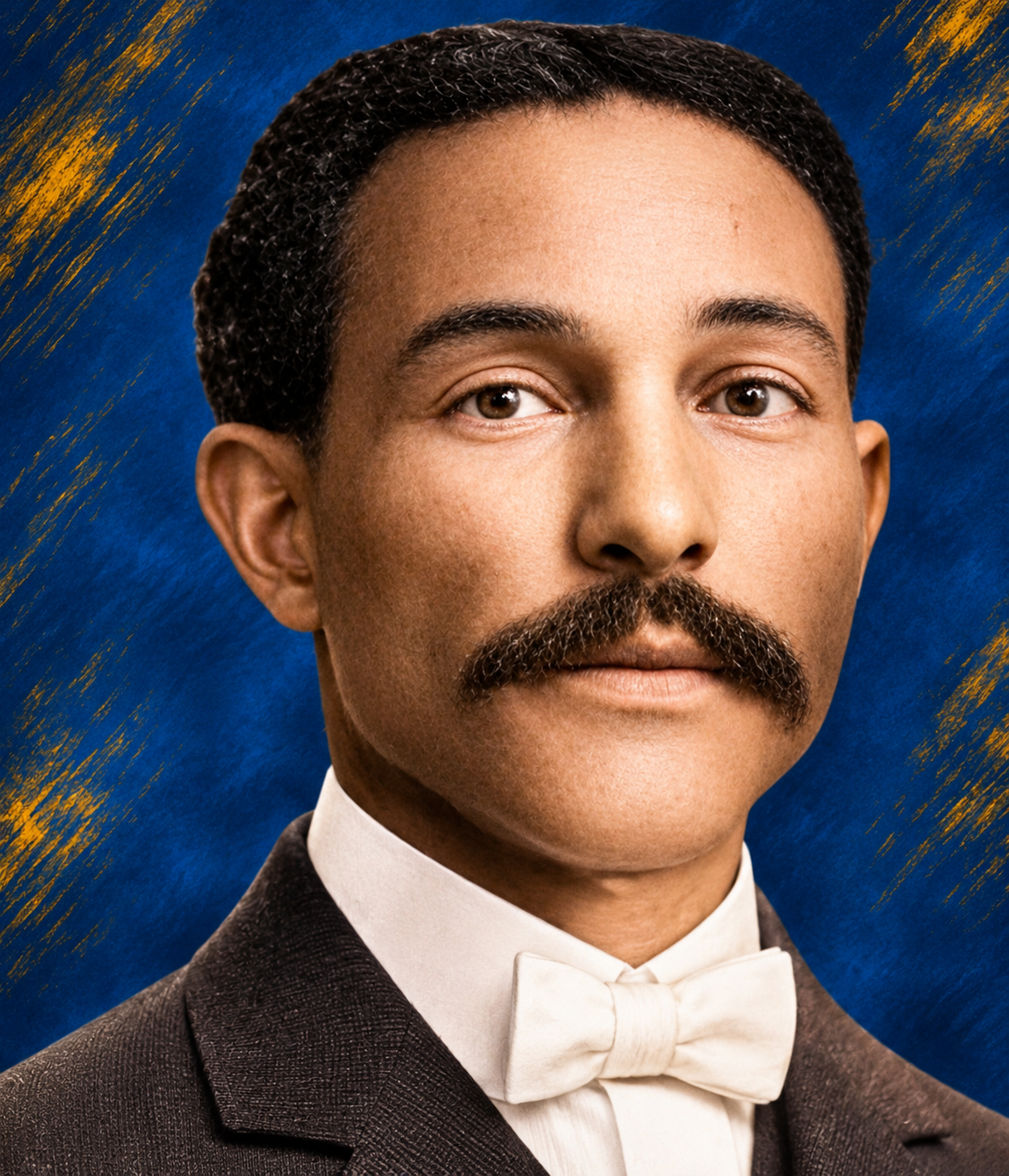
Andrew C. Jackson — Dr. A. C. Jackson, recorded by his family as Andrew Chesteen Jackson — was born in Memphis, Tennessee, in February 1879 to Townsend D. and Sophronia Jackson, according to researcher Carlos Moreno. The family settled in Guthrie, Oklahoma Territory, around 1889. Jackson trained as a physician at Meharry Medical College in Nashville, one of the principal medical schools for Black physicians of his era.
Contributions to Greenwood
Jackson married Julia A. Jackson, an educator in the Tulsa Public Schools, and established a medical and surgical practice in Greenwood; the National Library of Medicine has reproduced one of his period practice advertisements. By 1921 he was the Oklahoma vice-president of the National Medical Association, the professional body of Black physicians, and that spring he wrote to the Journal of the National Medical Association. His family recalls that his surgical skill earned praise from the Mayo brothers; that account is family-reported and has not been independently documented.
The 1921 Massacre
On June 1, 1921, Dr. Jackson was shot and killed during the massacre. According to Moreno's account, he came out of his home peacefully to surrender, and a white neighbor, John Oliphant, tried unsuccessfully to intervene. An early newspaper report of June 3 described him as fleeing; that contemporary phrasing conflicts with the surrender account and is noted here rather than resolved.
His death was reported nationally in medical journals, which printed his obituary and an appeal for relief for the physicians of Greenwood. He was buried in Guthrie beside his mother, according to his family.
What the Record Shows
His exact birth date is not confirmed, and a genealogical website's dates of February 8, 1879, and June 2, 1921, are weaker evidence than the historical record of his death on June 1.
Historical Legacy
Dr. A. C. Jackson's killing became one of the most widely reported losses of the massacre, a measure of what Greenwood and Black medicine lost in 1921.
The National Library of Medicine preserves records of his career and death, and Greenwood Rising names him among the figures it interprets.