
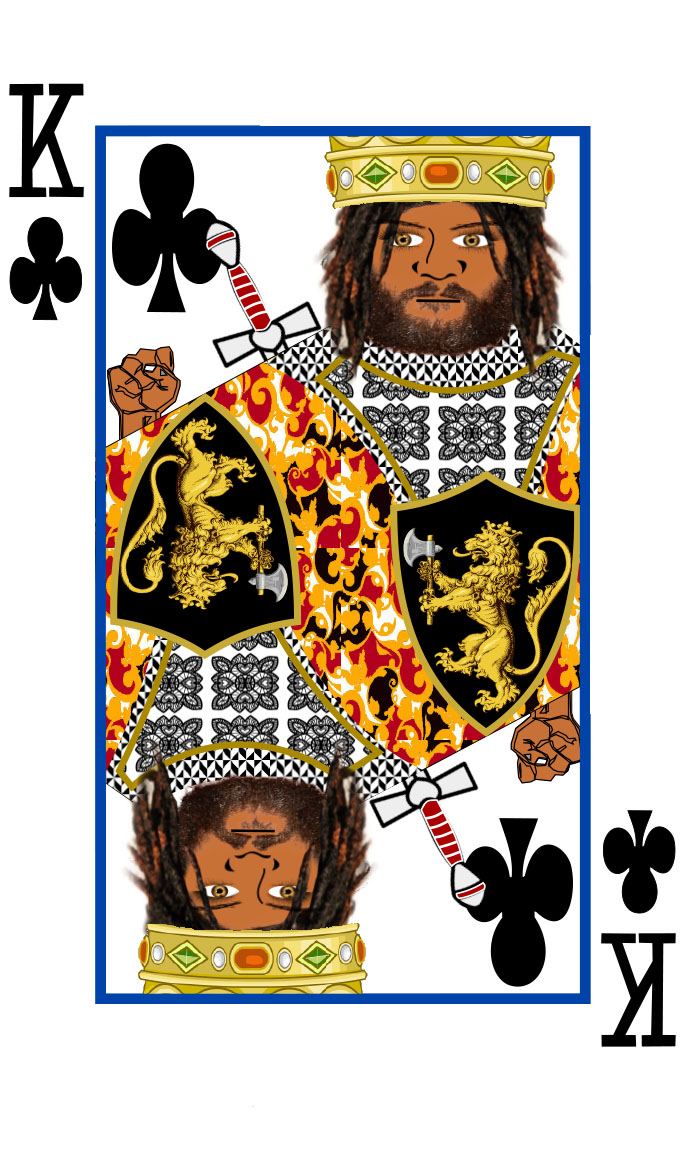
Card #03 · Base
King of England, Scotland and Ireland
The King Who Restored the Monarchy
The Story
Charles II, eldest surviving son of Charles I, inherited the Royalist claim to the throne following his father's execution in 1649.
Recognized as king in Scotland that year, Charles was formally crowned at Scone in 1651. However, his defeat by Oliver Cromwell's forces at the Battle of Worcester forced him into exile on the European continent.
After years of political uncertainty under the Commonwealth and Protectorate, the English monarchy was restored in 1660, and Charles returned triumphantly to London.
Known as the Merry Monarch, Charles II presided over a period of renewed cultural life, scientific advancement, and artistic patronage. His reign also witnessed continuing religious and political struggles over the future of the Stuart succession.
Although he fathered several children, Charles left no legitimate heir, allowing his younger brother James to succeed him.
Historical Significance
In the Collection
Card #03 · Base
Claim Your Legacy
Are you Charles II or an authorized representative? Verified submissions are reviewed by our editors before publishing.